Where to See the Northern Lights Near Whitehorse
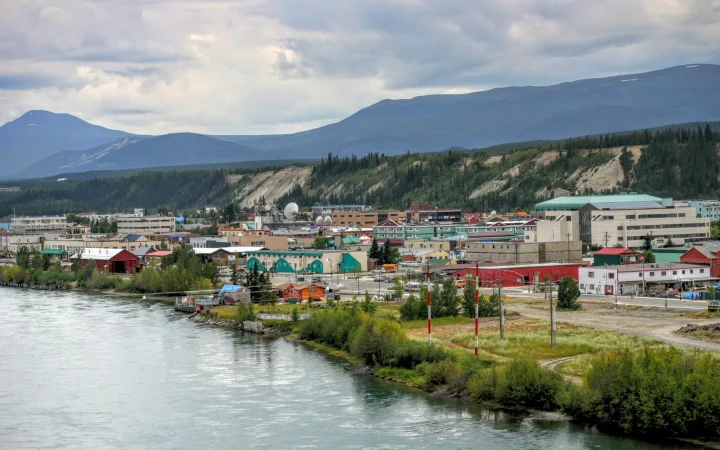
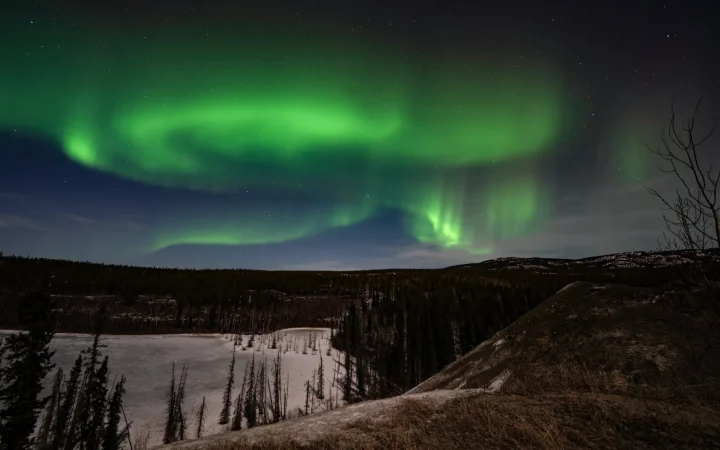
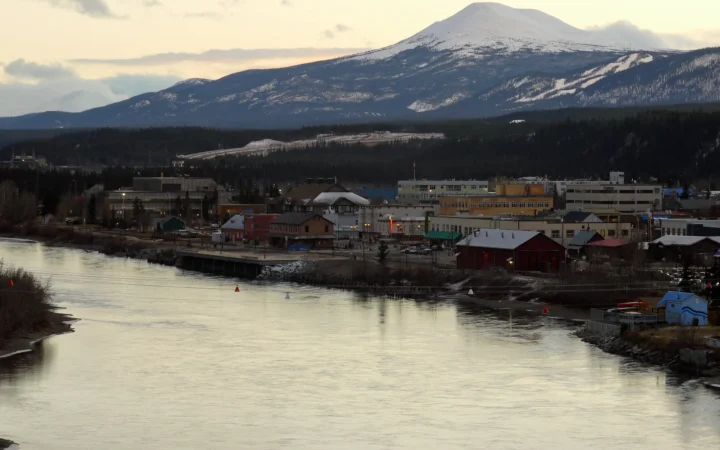
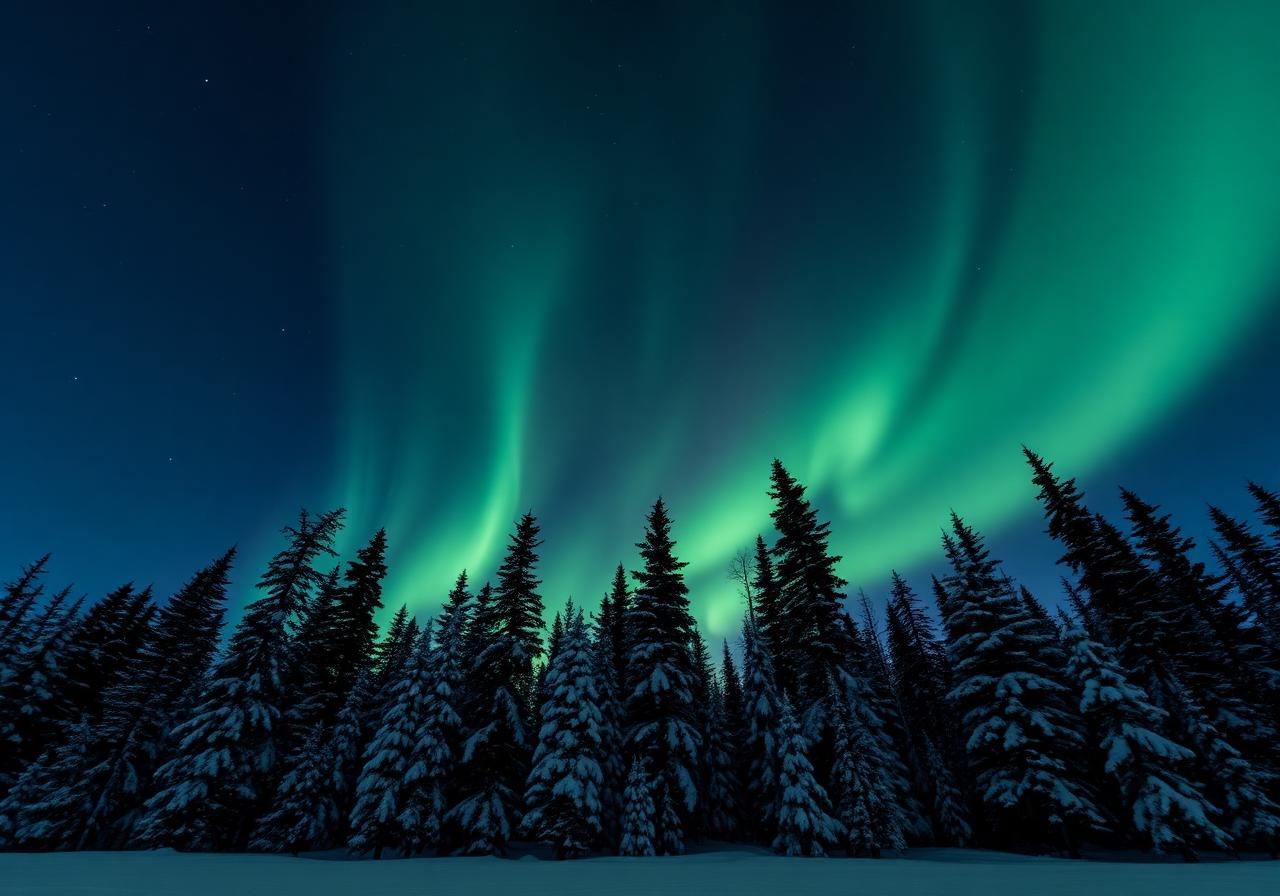
Whitehorse sits directly under the auroral oval, which means the northern lights aren’t a rare event here. They’re a season. From late August through mid April, on any clear night with reasonable solar activity, there’s a real chance of a show. The trick isn’t seeing the aurora once; it’s planning a trip that lets the aurora cooperate with you.
When to go
Two windows work best. Late February through early April gives you longer days for other activities and still has dark, cold nights for aurora. Late August through late September gives milder temperatures, fall colour, and dark skies returning after the midnight sun. The deep midwinter months work too if you can handle the cold.
How many nights you need
Three nights is the minimum. Four to five is better. Cloud cover is the variable you can’t control, and giving the trip a few attempts is what makes the difference between a disappointing visit and a great one.
Where to look
- Schwatka Lake — close to downtown and darker than the city centre.
- Fish Lake Road — quieter, with darker surroundings outside town.
- Long Lake Road — convenient access and open horizons.
- Tour operator camps — potentially heated facilities and guides, when an operator is booked directly.
What to wear
The cold is what most people underestimate. In winter, plan for an insulated parka, insulated waterproof boots, layered socks, snow pants over warm base layers, mittens over thin gloves, a balaclava, and a warm hat. Hand warmers help. You’re standing still for hours.
Camera tip
Use a tripod, manual mode, a wide aperture, and a short test exposure. Bring spare batteries and keep them inside your jacket between shots. Adjust settings for the brightness and movement you can actually see.
For more planning context, see our first-time visitor guide and Yukon travel tips.